Back to Resources

Click here


Elixirr acquires Kvadrant Consulting

Full story

Back to Resources

News


Elixirr acquires Kvadrant Consulting

Full story

Back to Resources

Video Hub


Elixirr acquires Kvadrant Consulting

Full story

Back to Careers

Careers

The Coffee Chat Challenge: Building connections

Read more

Back to Careers

Early Careers

The Coffee Chat Challenge: Building connections

Read more

Back to Careers

Job Openings

The Coffee Chat Challenge: Building connections

Read more

Back to Careers

OpenDoor

The Coffee Chat Challenge: Building connections

Read more

Back to Careers

AI Hub

The Coffee Chat Challenge: Building connections

Read more

Back to Careers

Careers FAQs

The Coffee Chat Challenge: Building connections

Read more

Back to About Us

Who We Are

Forbes’ World’s Best Management Consulting Firms

Read more

Back to About Us

Meet The Team

Forbes’ World’s Best Management Consulting Firms

Read more

Back to About Us

Locations

Forbes’ World’s Best Management Consulting Firms

Read more

Back to About Us

Foundation

Forbes’ World’s Best Management Consulting Firms

Read more

Back to About Us

Awards

Forbes’ World’s Best Management Consulting Firms

Read more

Back to Investors

Click here

Our FY 25 Annual Results

Visit

Back to Investors

Results

Our FY 25 Annual Results

Visit

Back to Investors

Regulatory News

Our FY 25 Annual Results

Visit

Contact Us

Financial services organisation: Accelerating data platform modernisation with AI automation

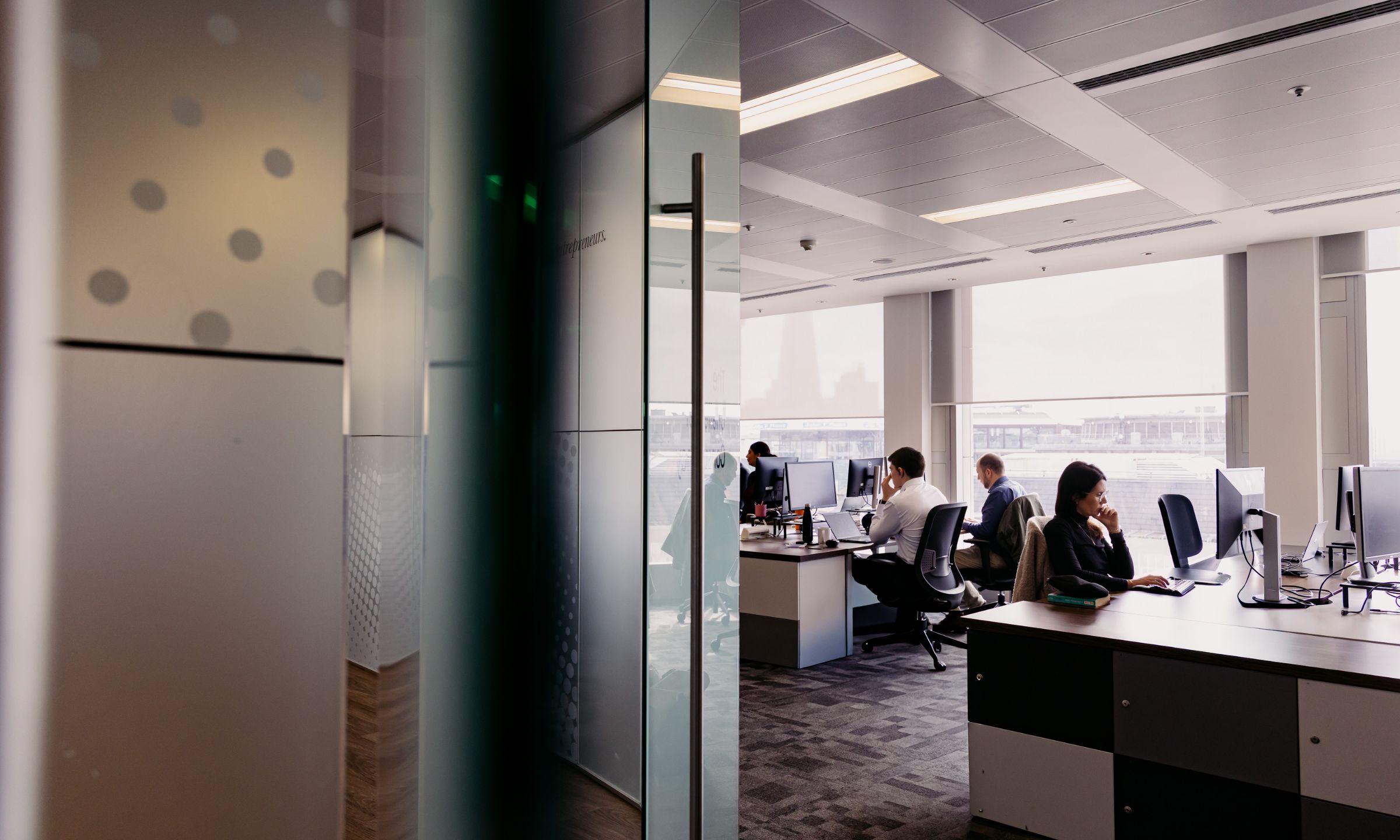
Team meeting reviewing data analytics dashboards during a financial services technology project.

A financial services organisation was migrating from Sailfish to Microsoft Fabric and needed to accelerate repetitive tasks that were slowing delivery. Manual SQL translation, meeting documentation and metadata creation were adding effort across the migration process, increasing the risk of defects and rework.

To reduce this operational burden, AI-led automation was embedded directly into the delivery workflow to improve speed, quality and consistency. The programme helped automate SQL conversion, structure project communications and generate metadata documentation, enabling the data engineering team to focus more time on higher-value work and client impact.

  • Outcome 1: Increased SQL conversion speed by 3x while reducing manual rework
  • Outcome 2: Doubled the speed of meeting summary and client update preparation
  • Outcome 3: Reduced manual touchpoints for metadata documentation across new tables to 0

The challenge

The migration from Sailfish to Microsoft Fabric created a high volume of repetitive engineering and coordination tasks. SQL transformations needed to be translated and validated, metadata had to be documented consistently, and meeting outputs had to be turned into actions, risks and updates for stakeholders.

Without automation, these activities created drag on delivery. Our client needed a practical way to reduce manual effort, improve accuracy and free data engineering teams to focus on the work that mattered most to the migration.

The approach

The programme began by identifying the high-effort, repetitive tasks within the data migration process that were creating the greatest delivery burden. Our AI specialists were onboarded to assess where automation could improve speed and quality without disrupting the broader migration workflow.

LLMs were applied to transcribe and structure meeting discussions into actionable insights, including actions, deadlines and risks. This gave teams a faster way to turn project conversations into useful delivery outputs and improved the rhythm of stakeholder communication.

An AI-assisted SQL translation tool was then built to support the Sailfish to Fabric migration. By using mapping documents to streamline and validate transformations, the tool helped accelerate conversion activity while reducing the risk of manual errors.

A metadata generation module was also developed to propose table and column naming standards and documentation. This created a more consistent approach to metadata across new tables and supported stronger data governance as the platform modernisation progressed.

The outputs were embedded into delivery workflows so the automation became part of how teams worked, rather than a separate productivity experiment. Together, these capabilities improved productivity, accuracy and cross-team alignment across the migration programme.

The impact

Our client accelerated a critical data platform migration by reducing manual effort across high-volume engineering and project management tasks. SQL conversion became faster, defects and rework were reduced and teams gained a more reliable way to validate transformations during the move to Microsoft Fabric.

The programme also improved the operating rhythm around delivery. Meeting summaries, client updates and metadata documentation could be prepared faster and more consistently, giving teams clearer actions, stronger governance outputs and more time to focus on higher-value engineering work.

You may also like

Get in touch

Not sure where to start?

Do you want to be the leader of your market? We can get you there. Contact us today and our experts will be in touch.