



Articles
How to save the rhino
Rhinos are critically endangered. At the beginning of the 20th century, 500,000 rhinos lived in the wild. Today, largely due to poaching, it’s less than 30,000. The illegal trade of the rhino horn…
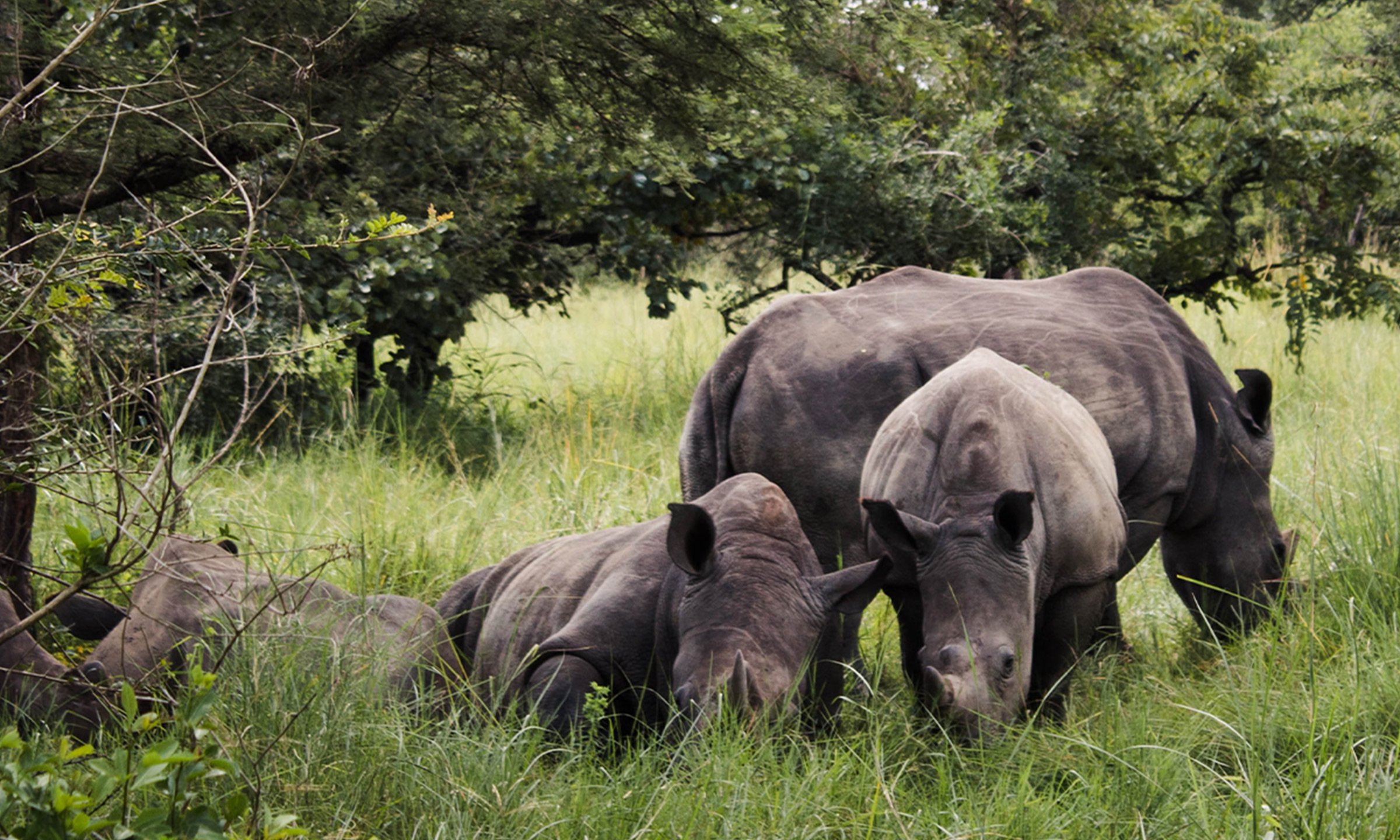
Rhinos are critically endangered. At the beginning of the 20th century, 500,000 rhinos lived in the wild. Today, largely due to poaching, it’s less than 30,000. The illegal trade of the rhino horn sits at the center of poaching. Horns are primarily sent to Vietnam and China, where it is believed that they hold valuable medicinal qualities, despite a lack of supporting evidence. One horn can earn £200,000 on the black market. An increasingly popular method to curb rhino poaching is dehorning, and there are some case studies that suggest its success. In Namibia between 1989 and the early 1990s, a widespread dehorning program and improved security measures resulted on not one rhino being poached. In Mpumalanga in South Africa, 1/3 of reserves’ rhinos (excluding Kruger) are dehorned, and between 2009-11 only 1 out of the 33 rhinos killed was dehorned.
Sound promising? The evidence is not clear cut. There are plenty of alternate examples of dehorning programs that have not worked. For example, in the early 1990s in the Hwange National Park in Zimbabwe, the majority of dehorned rhinos were killed 12-18 months after the procedure. A stub of horn has to be left over to prevent deformed regrowth, and poachers still kill the animal for access to this stub. Equally, dehorning is an invasive and expensive procedure. A one-off dehorning of all the rhinos in Kruger costs $5.8 – 8.8m, and the process needs to be repeated every 12-24 months.
Dehorning is an invasive and expensive procedure. A one-off dehorning of all the rhinos in Kruger costs $5.8 – 8.8m, and the process needs to be repeated every 12-24 months.
Statistics and case studies aside, why is no one identifying dehorning for what it is: the mutilation of a beautiful animal. Rhinos need their horns for activities from defending territory and calves to foraging for water and food. So, what effective, large-scale action can be taken to protect the rhino from extinction? I’d say the answer lies in farming. It’s unpopular – people don’t like the likening of rhinos to cattle. But compare this: the indignity of dehorning rhinos, and the uncertain evidence of dehorning as a deterrent to poaching, versus the population boost aided by farming.
There are five potential revenue streams from farming rhinos: horn, meat, breeding, hunting, and tourism. Legalizing the international horn trade – which has been banned since 1977 – would undermine the allure of the black market. Funds from lucrative rhino horn sales could then be put toward land conservation efforts. Widespread breeding of the animal would boost their population, answering the threat of rhino extinction. Hunting has the potential to improve the livelihoods of local populations. In Zimbabwe, cost-sharing arrangements between 777,000 households and trophy hunting operations has led to a 15-25% increase in household incomes.
Tourism provides income to support protected areas and is a valuable source of employment; there are c.40,000 rangers in South Africa, and due to the drop in tourism due to the pandemic, this cohort have seen salary reductions of 30-70%. The impact on rhino population size and the consequent social, economic and environmental impacts of rhino farming are huge.
There are five potential revenue sources from farming rhinos: horn, meat, breeding, hunting, and tourism.
Perhaps the main obstacle to implementing farming is the reaction to it. People cry foul at the effect on rhinos’ quality of life through farming – but do they understand the realities of life on the ground both for rhinos currently, and those who work every day to protect them? Wildlife rangers face death, injury and torture from poachers daily; two rangers are killed every week globally. Rhinos do not live in ‘the wild’, but in reserves with electric fences patrolled by heavily armed rangers, all whilst being targeted by poachers. It’s not freedom – and it’s not more ‘free’ than the existence a rhino would experience in a farmed environment.